

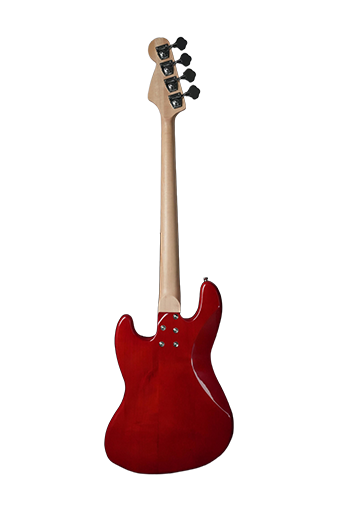
Which Guitar factory Specializes in Bass guitars?
Industry Background and Market Demand
The global bass guitar market has seen steady growth, driven by rising demand from professional musicians, recording studios, and educational institutions. Unlike standard guitars, bass guitars require specialized manufacturing techniques to achieve the lower frequencies and extended sustain essential for rhythm sections. Factories focusing on bass production differentiate themselves through precision engineering, material selection, and ergonomic design tailored to bassists' unique needs.
Leading manufacturers cater to diverse segments—from entry-level instruments for students to high-end custom builds for touring professionals. The market increasingly values sustainability, with factories adopting eco-friendly woods and non-toxic finishes.
Core Manufacturing Principles
Bass guitar production hinges on three key principles:
1. Scale Length and Tension Management
Bass guitars typically feature longer scale lengths (34"–36") to maintain string tension and tonal clarity. Factories must optimize neck construction to prevent warping under higher tension.
2. Resonance and Mass Distribution
Body woods (e.g., ash, alder, or mahogany) are selected for density and sustain. High-mass bridge systems and neck-through designs enhance vibration transfer.
3. Electronics Integration
Precision routing for pickups and preamps ensures noise-free signal paths. Active electronics require additional shielding and power supply considerations.
Production Process and Material Selection
1. Body and Neck Construction
- Body: CNC-machined from solid wood or laminated tonewoods. Weight relief chambers may be added for balance.
- Neck: Maple or roasted maple for stability. Graphite reinforcement rods combat flex.
2. Fretwork and Playability
- Stainless steel frets reduce wear and enhance sustain.
- Compound radius fingerboards (e.g., 10"–16") accommodate slap and fingerstyle techniques.
3. Hardware and Electronics
- High-output humbuckers or split-coil pickups for tonal versatility.
- Hipshot or Gotoh tuning machines ensure stable intonation.
Quality Determinants
Five factors define a factory’s bass guitar output:
1. Wood Drying and Aging – Kiln-dried woods (12% moisture content or less) prevent cracking.
2. Neck Joint Precision – Bolt-on, set-neck, or neck-through designs impact sustain and repairability.
3. Finish Durability – UV-cured polyester or nitrocellulose lacquers balance aesthetics and protection.
4. Plek Machine Calibration – Automated fret leveling guarantees consistent action.
5. QC Testing – Frequency response analysis and humidity cycling simulate real-world use.
Supplier Selection Criteria
B2B buyers evaluate factories based on:
- Vertical Integration: Mills own timber sources to control wood quality.
- Compliance: Adherence to CITES regulations for endangered woods.
- Customization Capability: Modular designs for OEM branding.
- Lead Times: 60–90 days for standard models; 6+ months for custom orders.
Industry Challenges
1. Material Scarcity – Rising costs of premium tonewoods (e.g., swamp ash).
2. Labor Intensity – Hand-finishing and setup account for 30% of production costs.
3. Counterfeiting – Asian factories replicating high-end designs undermine brand integrity.
Applications and Case Studies
- Studio Work: Factories like Sadowsky Guitars supply session players with low-noise, multi-scale basses.
- Live Performance: Dingwall’s fanned-fret designs are favored by metal bassists for extended range clarity.
- Education: Yamaha’s budget BB series dominates school procurement programs.
Future Trends
1. Alternative Materials – Carbon fiber necks and 3D-printed bodies reduce weight.
2. Smart Basses – Embedded DSP for onboard effects and wireless connectivity.
3. Automation – AI-assisted plek systems and robotic painting cut labor costs.
FAQ
Q: How do boutique factories compete with mass producers?
A: They focus on niche customization (e.g., multi-scale fretboards) and hand-selected materials.
Q: Why do some factories avoid rosewood fingerboards?
A: CITES restrictions increase import/export complexity; many now use pau ferro or ebony.
Q: What’s the average MOQ for bulk orders?
A: 50–100 units for standard models; lower for high-end custom shops.
By aligning with these technical and market demands, specialized bass guitar factories maintain their edge in a competitive industry.


Copyright © 2003-2025 Longsheng Musical Instrument Co., Ltd. Powered by:Lucky Cloud Network Technology All rights reserved.
SitemapThis website uses cookies to ensure you get the best experience on our website.



 Phone
Phone
Comment
(0)