

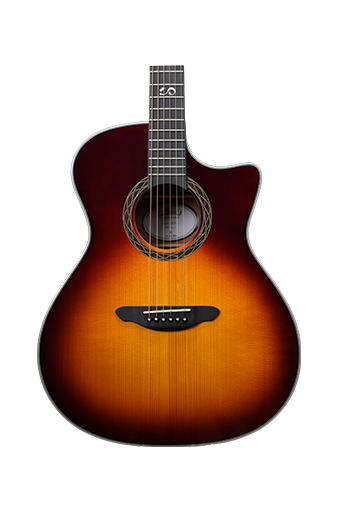
The Most Overlooked Part of a Guitar factory
When people think about guitar manufacturing, their attention often gravitates toward the most visible and glamorous aspects: the selection of tonewoods, the precision of fretwork, the quality of pickups, or the final finish. However, there’s one critical yet frequently overlooked part of a guitar factory that plays a pivotal role in determining the instrument’s quality, consistency, and even its tonal character—the drying and storage of wood.
Why Wood Drying and Storage Matter
Wood is the soul of a guitar. Whether it’s spruce for tops, mahogany for backs and necks, or rosewood for fretboards, the way wood is dried and stored before being shaped into a guitar has a profound impact on the final product. Poorly dried wood can lead to warping, cracking, unstable tuning, and even tonal deficiencies. Yet, this stage is often taken for granted or rushed in many factories, especially those prioritizing high-volume production over meticulous craftsmanship.
The Science Behind Proper Wood Drying
Wood is a hygroscopic material, meaning it absorbs and releases moisture based on environmental conditions. When a tree is cut, its wood contains a high percentage of water (sometimes up to 50% or more). Before it can be used in guitar construction, this moisture must be reduced to an equilibrium moisture content (EMC) that matches the environment where the guitar will be played—typically between 6% and 8% for most hardwoods.
There are two main methods of drying wood:
1. Air Drying – The wood is stacked in a controlled environment with good airflow, allowing it to lose moisture naturally over months or even years. This slow process helps the wood stabilize and reduces internal stresses that could cause warping later.
2. Kiln Drying – A faster method where wood is placed in a heated chamber to accelerate moisture removal. While efficient, improper kiln drying can lead to case hardening (where the outer layers dry too quickly, trapping moisture inside) or uneven drying, both of which can compromise structural integrity.
The best guitar factories use a combination of both methods—kiln drying to reach an initial stable moisture level, followed by long-term air drying to allow the wood to fully acclimate.
Common Mistakes in Wood Storage
Even after drying, wood must be stored properly to prevent reabsorption of moisture or exposure to extreme temperature fluctuations. Some common oversights in guitar factories include:
- Inadequate Climate Control – Wood storage areas should maintain consistent humidity and temperature. Fluctuations can cause the wood to expand and contract, leading to instability.
- Poor Stacking Practices – Wood should be stacked with spacers (stickers) between each piece to allow airflow. Improper stacking can lead to mold, uneven drying, or warping.
- Rushing the Process – Some factories skip proper drying times to meet production demands, leading to guitars that develop issues years later.
The Impact on Guitar Quality
A guitar made from improperly dried or stored wood may initially look and sound fine, but over time, problems emerge:
- Structural Issues – Neck warping, top cracking, and glue joint failures.
- Tonal Instability – Wood that hasn’t fully stabilized can lose resonance and sustain.
- Playability Problems – Fretboards may shrink or expand, causing fret sprout or uneven action.
Why This Stage is Overlooked
1. It’s Invisible – Unlike fretwork or finishing, wood drying happens early in the process and isn’t seen by the end customer.
2. Time-Consuming – Proper drying can take years, which conflicts with fast production cycles.
3. Lack of Immediate Consequences – Problems from poor drying may not appear until years after the guitar is sold, making it easy to cut corners.
Conclusion
The drying and storage of wood is arguably the most overlooked yet crucial stage in guitar manufacturing. A factory that masters this step ensures that its instruments will not only sound great when they leave the shop but will remain stable and resonant for decades. While flashy features like exotic tops or high-end electronics grab attention, the true mark of a well-made guitar lies in the unseen foundation—properly dried and stored wood.
For guitarists, this means paying attention to brands that prioritize long-term wood seasoning, even if it means higher costs or longer wait times. After all, the best guitars are not just built—they’re grown.


Copyright © 2003-2025 Longsheng Musical Instrument Co., Ltd. Powered by:Lucky Cloud Network Technology All rights reserved.
SitemapThis website uses cookies to ensure you get the best experience on our website.



 Phone
Phone
Comment
(0)