

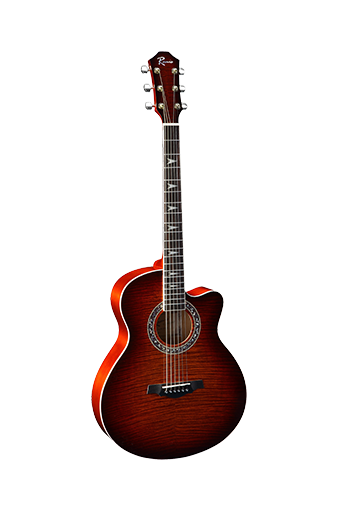
Acoustic guitar Series: When to Upgrade Your Tuner?
Introduction
A guitar tuner is one of the most essential tools for any guitarist, whether you're a beginner or a seasoned player. It ensures your instrument sounds its best by keeping each string in perfect pitch. However, not all tuners are created equal, and there comes a time when upgrading your tuner can significantly improve your playing experience. This guide will explore the signs that indicate it’s time for an upgrade, the different types of tuners available, and how to choose the right one for your needs.
---
Signs It’s Time to Upgrade Your Tuner
1. Inconsistent or Slow Tuning
If your current tuner struggles to detect pitches accurately or takes too long to lock onto a note, it may be time for an upgrade. Modern tuners use advanced algorithms to provide faster and more precise tuning, which is especially useful in live performances or recording sessions where time is critical.
2. Poor Performance in Noisy Environments
Cheaper tuners often have difficulty filtering out background noise, making them unreliable in loud settings like gigs or band rehearsals. If your tuner frequently misreads notes due to ambient noise, consider switching to a model with better noise-cancellation technology.
3. Limited Tuning Modes
Basic tuners typically only support standard tuning (EADGBE). If you experiment with alternate tunings (e.g., drop D, open G, or half-step down), a tuner with multiple tuning modes will save you time and frustration.
4. Battery Life Issues
If your tuner drains batteries quickly or shuts off unexpectedly, it’s a sign of aging hardware. Newer models often feature energy-efficient designs and rechargeable options, making them more reliable for long-term use.
5. Lack of Durability
Tuners that are flimsy or prone to breaking after minor drops aren’t built to last. Upgrading to a sturdier model—especially if you travel frequently—will ensure your tuner withstands the rigors of regular use.
6. No Chromatic Tuning Capability
Non-chromatic tuners only recognize the notes of standard tuning, which limits their versatility. A chromatic tuner detects every note in the chromatic scale, making it indispensable for players who use unconventional tunings or other stringed instruments.
7. Outdated Display Technology
Older tuners with dim or hard-to-read displays can be frustrating, especially in low-light conditions. Modern tuners feature bright LED screens, backlit displays, or even strobe tuning for ultra-precise adjustments.
8. You’re Transitioning to Professional Use
If you’re moving from casual playing to gigging or recording, investing in a high-quality tuner is a must. Professional-grade tuners offer superior accuracy, stability, and additional features like calibration settings for different temperaments.
---
Types of Guitar Tuners
1. Clip-On Tuners
These attach to the headstock of your guitar and detect vibrations through the wood. They’re portable, affordable, and work well in noisy environments since they don’t rely on microphone input.
Best for: Beginners, live performers, and travelers.
2. Pedal Tuners
Designed for Electric guitarists and pedalboard users, these tuners plug into your signal chain and mute your output while tuning. They’re highly accurate and built to withstand stage use.
Best for: Gigging musicians and pedalboard enthusiasts.
3. Handheld Tuners
Compact and versatile, these tuners often include a built-in microphone for acoustic guitars and an input jack for electric instruments. Some models also function as metronomes.
Best for: Multi-instrumentalists and practice sessions.
4. Strobe Tuners
The gold standard for accuracy, strobe tuners use a rotating disc or digital emulation to provide ultra-precise tuning. They’re favored by luthiers and studio professionals.
Best for: Recording engineers and perfectionists.
5. Smartphone Apps
While convenient, apps often lack the accuracy and durability of dedicated tuners. They can be useful in a pinch but aren’t ideal for serious use.
Best for: Casual players who want a free or low-cost option.
---
How to Choose the Right Tuner
1. Consider Your Playing Environment
- Live Performances: Clip-on or pedal tuners are ideal for their noise resistance and quick response.
- Studio Work: Strobe or high-end chromatic tuners ensure pinpoint accuracy.
- Practice at Home: A basic clip-on or handheld tuner will suffice.
2. Evaluate Accuracy Needs
If you play with others or record frequently, a tuner with ±0.1 cent accuracy (or better) is worth the investment.
3. Check Compatibility
Some tuners are optimized for specific instruments (e.g., bass, violin). Ensure your tuner supports the frequency range of your guitar.
4. Look for Additional Features
- Calibration Settings: Adjustable reference pitch (e.g., 440Hz, 442Hz) is useful for playing with other instruments.
- Metronome: A built-in metronome can streamline your practice routine.
- Backlighting: Essential for low-light tuning.
5. Set a Budget
Tuners range from $10 to $300. Determine how much you’re willing to spend based on your needs.
---
Final Thoughts
Upgrading your tuner can dramatically improve your guitar’s sound and your overall playing experience. Whether you’re frustrated with slow tuning, need better noise resistance, or are stepping into professional music, there’s a tuner designed to meet your needs. Assess your current setup, identify the limitations of your existing tuner, and choose a model that aligns with your goals.
Remember, a well-tuned guitar is the foundation of great music—don’t let an outdated tuner hold you back!
---
Would you like recommendations for specific tuner models based on your budget and playing style? Let me know how I can help further!


Copyright © 2003-2025 Longsheng Musical Instrument Co., Ltd. Powered by:Lucky Cloud Network Technology All rights reserved.
SitemapThis website uses cookies to ensure you get the best experience on our website.



 Phone
Phone
Comment
(0)