

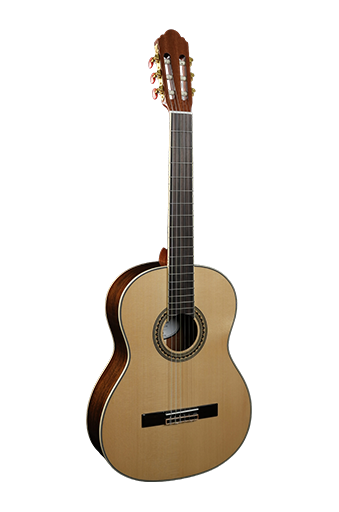
What Are the Advantages of Local vs. Overseas Guitar OEM Factories?
Industry Background and Market Demand
The global guitar manufacturing industry relies heavily on Original Equipment Manufacturer (OEM) factories, which produce instruments for brands that handle design, marketing, and distribution. Two primary sourcing models dominate the market: local (domestic) production and overseas outsourcing, primarily in Asia.
Demand for cost-effective manufacturing has driven many Western brands to partner with overseas OEMs, particularly in China, Indonesia, and South Korea. However, a growing segment of manufacturers and boutique brands are shifting toward local production due to concerns over quality control, lead times, and sustainability. Understanding the trade-offs between these models is critical for brands making strategic sourcing decisions.
Key Differences in Manufacturing Approaches
1. Production Costs and Economies of Scale
Overseas factories benefit from lower labor and operational costs, allowing them to offer competitive pricing—especially for high-volume orders. However, local OEMs often provide better cost predictability by reducing shipping expenses, import tariffs, and logistical delays.
2. Quality Control and Craftsmanship
Local factories typically maintain tighter quality control due to smaller production runs and direct oversight. Skilled luthiers in the U.S., Europe, and Japan often specialize in premium materials and handcrafted techniques, whereas overseas OEMs focus on standardized, machine-assisted production.
3. Lead Times and Supply Chain Flexibility
Overseas production often involves longer lead times (12–24 weeks) due to shipping and customs clearance. Local OEMs can offer faster turnaround (4–12 weeks) and greater flexibility for mid-production adjustments.
4. Material Sourcing and Sustainability
Local manufacturers frequently source tonewoods and components from regional suppliers, ensuring compliance with environmental regulations (e.g., CITES for rosewood). Overseas factories may struggle with ethical sourcing due to less stringent oversight.
Critical Factors Affecting Guitar Quality
Several elements determine the final output of an OEM-produced guitar:
- Materials: High-quality tonewoods (e.g., mahogany, maple, spruce) and hardware (e.g., Gotoh tuners, Graphtech nuts) significantly impact durability and sound.
- Construction Techniques: Neck joint methods (bolt-on, set-neck, neck-through), bracing patterns (X-bracing vs. scalloped), and finishing processes (nitrocellulose vs. polyurethane) influence playability and resonance.
- QC Standards: Rigorous inspection protocols for fretwork, intonation, and electronics reduce defects.
Supplier Selection Criteria for Brands
When choosing between local and overseas OEMs, brands should evaluate:
1. Technical Expertise: Does the factory specialize in the desired guitar type (e.g., solid-body electrics vs. classical acoustics)?
2. Minimum Order Quantities (MOQs): Overseas factories often require 500+ units, while local shops may accept 50–100.
3. IP Protection: Legal safeguards against design replication are stronger in Western jurisdictions.
4. Customization Capabilities: Local OEMs are more accommodating for bespoke designs.
Common Challenges in Guitar OEM Manufacturing
- Overseas: Communication barriers, inconsistent QC, and geopolitical risks (e.g., tariffs, shipping disruptions).
- Local: Higher per-unit costs, limited scalability, and shortages of skilled labor.
Case Studies: Industry Applications
- Boutique Brands: Small-scale U.S. luthiers (e.g., Collings, PRS Private Stock) prioritize local craftsmanship for high-end models.
- Mass-Market Brands: Companies like Fender and Yamaha balance overseas production for entry-level lines with domestic facilities for premium instruments.
Current Trends and Future Outlook
1. Nearshoring: Some brands are relocating production to Mexico or Eastern Europe to reduce lead times while maintaining cost efficiency.
2. Automation: CNC machining and robotic finishing are improving consistency in both local and overseas factories.
3. Sustainability: Demand for eco-friendly materials (e.g., reclaimed wood, bio-based finishes) is reshaping sourcing strategies.
FAQ
Q: Can overseas factories match the quality of local OEMs?
A: Some high-end Asian manufacturers (e.g., Fujigen, Cort) produce guitars rivaling Western craftsmanship, but consistency varies.
Q: How do tariffs impact cost comparisons?
A: U.S. tariffs on Chinese-made guitars (up to 25%) have reduced the price gap between Asian and local production.
Q: Are local OEMs viable for budget brands?
A: Only with ultra-low production volumes; most budget brands still rely on Asia for economies of scale.
Conclusion
The choice between local and overseas guitar OEM factories depends on a brand’s priorities: cost, quality, lead time, or customization. While overseas production dominates the mass market, local manufacturing offers advantages in craftsmanship, flexibility, and sustainability—factors increasingly valued in today’s market. Strategic sourcing decisions should align with long-term business goals and target customer expectations.


Copyright © 2003-2025 Longsheng Musical Instrument Co., Ltd. Powered by:Lucky Cloud Network Technology All rights reserved.
SitemapThis website uses cookies to ensure you get the best experience on our website.



 Phone
Phone
Comment
(0)