

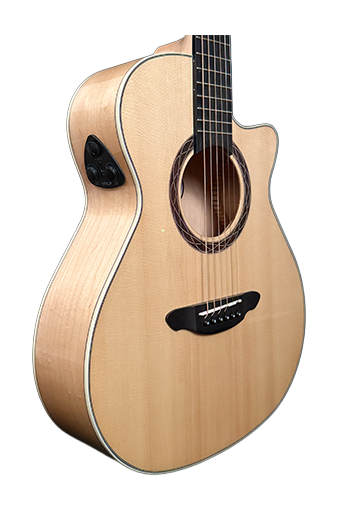
Acoustic guitar Series: When to Replace Your Guitar’s Nut?
Industry Background and Market Demand
The acoustic guitar market has seen steady growth, driven by rising interest in music education, DIY instrument maintenance, and professional performance. Among critical yet often overlooked components, the nut plays a pivotal role in tone, playability, and tuning stability.
Demand for nut replacements stems from wear, material degradation, or players seeking enhanced performance. Professional luthiers and manufacturers emphasize precision in nut design, as even minor imperfections can lead to intonation issues, string buzz, or premature wear. The market offers a range of materials—from traditional bone and synthetic composites to advanced polymers—each catering to different tonal preferences and durability needs.
Core Concepts: The Nut’s Function and Key Considerations
The nut is a small, notched component located at the headstock end of the guitar’s neck. Its primary functions include:
- String Spacing and Alignment: Ensures even spacing and proper string height (action).
- Tonal Transfer: Affects sustain and brightness by transmitting vibrations to the neck.
- Tuning Stability: Poorly cut slots cause binding, leading to tuning inconsistencies.
Replacement becomes necessary under these conditions:
- Visible Wear: Deep grooves or chipped edges disrupt string seating.
- Intonation Issues: Inconsistent note accuracy across the fretboard.
- Material Fatigue: Brittle or cracked nuts compromise structural integrity.
- Upgrade Intentions: Switching materials for improved resonance or durability.
Materials, Manufacturing, and Performance Factors
Common Nut Materials
1. Bone (Cow or Buffalo): Traditional choice for balanced sustain and warmth; requires precise machining.
2. Synthetic Ivory (TUSQ, Corian): Engineered for consistency, reducing friction and enhancing tuning stability.
3. Brass or Metal Alloys: Used for bright, metallic tones but less common due to weight and wear concerns.
4. Plastic (Nylon, Delrin): Cost-effective but prone to wear and duller acoustics.
Manufacturing Precision
High-quality nuts are CNC-machined or hand-filed to exact tolerances. Key parameters include:
- Slot Width: Matches string gauge to prevent slippage or pinching.
- Slot Depth: Affects action height and buzz resistance.
- Break Angle: Optimizes downward pressure on the saddle for sustain.
Critical Factors Affecting Nut Performance
1. Material Density: Harder materials (bone, TUSQ) yield better sustain but require precise slotting.
2. Lubrication: Graphite or specialized lubricants reduce friction in metal or bone nuts.
3. Environmental Exposure: Humidity and temperature fluctuations cause expansion/contraction in synthetic materials.
Supplier Selection and Quality Control
For manufacturers and luthiers, sourcing reliable nut suppliers involves evaluating:
- Material Certification: Compliance with CITES regulations for bone products.
- CNC Precision: Tolerance levels within ±0.001 inches for slot consistency.
- Customization Options: Ability to accommodate non-standard string spacing or radius requirements.
Leading suppliers (e.g., Graph Tech, Gibson, Graphtech) provide pre-slotted blanks or custom solutions for OEMs and repair shops.
Common Industry Pain Points
1. Inconsistent Slotting: Poorly cut nuts lead to string binding or premature breakage.
2. Material Misrepresentation: Low-cost plastics marketed as "bone composite" degrade faster.
3. Retrofitting Challenges: Older guitars may require neck adjustments when upgrading nut materials.
Application Scenarios and Case Studies
- Professional Musicians: Often opt for bone or TUSQ nuts to maximize tonal clarity during recording.
- Mass-Produced Guitars: Use molded plastic nuts to cut costs, requiring aftermarket upgrades.
- Vintage Restoration: Luthiers replace degraded original nuts with period-accurate materials.
Current Trends and Future Developments
1. Eco-Friendly Materials: Rise of synthetic alternatives to reduce reliance on animal-derived bone.
2. Self-Lubricating Designs: Graphene-infused nuts to minimize maintenance.
3. 3D-Printed Custom Nuts: On-demand manufacturing for bespoke string spacing and action preferences.
FAQ
Q: How often should a guitar nut be replaced?
A: No fixed timeline; inspect annually for wear, or when tuning/intonation issues arise.
Q: Can I replace the nut myself?
A: DIY replacement is possible with proper tools, but professional fitting ensures optimal performance.
Q: Does nut material significantly affect tone?
A: Yes—bone and synthetic ivory enhance sustain, while plastic may dampen high frequencies.
Q: What’s the cost range for a quality replacement?
A: $20–$150, depending on material and luthier labor.
Conclusion
Replacing a guitar nut is a nuanced decision balancing wear assessment, material preferences, and playability goals. As manufacturing innovations advance, players and technicians gain access to higher-precision solutions, ensuring long-term performance and tonal excellence. For B2B stakeholders, prioritizing material integrity and supplier reliability remains key to meeting evolving market demands.


Copyright © 2003-2025 Longsheng Musical Instrument Co., Ltd. Powered by:Lucky Cloud Network Technology All rights reserved.
SitemapThis website uses cookies to ensure you get the best experience on our website.



 Phone
Phone
Comment
(0)