

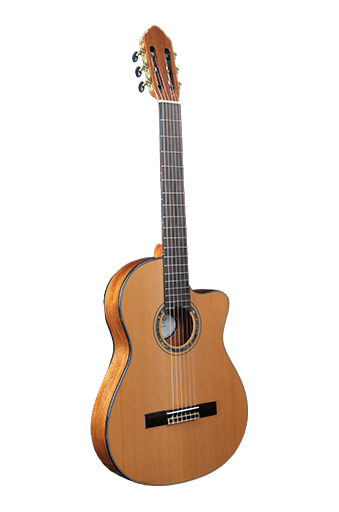
Guitar OEM factory – Which Brands Trust Them for Bulk Orders?
Industry Background and Market Demand
The global guitar market relies heavily on OEM (Original Equipment Manufacturing) factories to meet bulk production demands. Established brands, boutique luthiers, and emerging labels often outsource manufacturing to specialized OEM facilities to maintain cost efficiency, scalability, and consistent quality.
Demand for guitar OEM services has grown due to several factors:
- Cost Efficiency: Large-scale production reduces per-unit costs, making OEMs attractive for brands targeting mid-range and budget markets.
- Expertise and Infrastructure: OEM factories possess advanced machinery, skilled labor, and established supply chains, ensuring high-volume output without compromising craftsmanship.
- Flexibility: Many OEMs offer customization, allowing brands to modify designs, materials, and finishes while retaining standardized production processes.
Leading guitar brands—particularly those in the mid-tier segment—often collaborate with OEMs in China, Indonesia, South Korea, and Mexico. These regions have developed robust guitar manufacturing ecosystems, balancing affordability with quality.
Key Concepts in Guitar OEM Manufacturing
1. Production Models
- Full OEM: The factory handles all stages—design, prototyping, materials sourcing, and mass production—based on client specifications.
- ODM (Original Design Manufacturing): The factory provides pre-designed models that brands can rebrand or slightly modify.
- Partial OEM: Brands outsource only certain components (e.g., necks, bodies) while assembling in-house.
2. Core Manufacturing Processes
- CNC Machining: Computer-controlled cutting ensures precision in body and neck shaping.
- Handcrafted Finishing: Despite automation, critical steps like fretwork, sanding, and finishing often require skilled artisans.
- Quality Control (QC): Rigorous testing for intonation, fret leveling, and structural integrity is essential before bulk shipment.
Materials and Construction: What Determines Quality?
1. Tonewoods and Alternatives
- Traditional Woods: Mahogany, maple, and rosewood remain popular for their tonal properties but face sustainability concerns.
- Engineered Materials: Laminated woods, carbon fiber, and HPL (High-Pressure Laminate) are increasingly used for durability and cost efficiency.
2. Hardware and Electronics
- OEMs often source hardware (tuners, bridges, pickups) from third-party suppliers. High-tier factories may use branded components (e.g., Gotoh, Seymour Duncan), while budget models rely on generic parts.
3. Finish and Durability
- Nitrocellulose Lacquer: Preferred for vintage aesthetics but requires longer curing times.
- Polyurethane/Polyester: More durable and cost-effective for mass production.
Critical Factors in OEM Guitar Quality
1. Factory Expertise – Experience in guitar manufacturing (not just general woodworking) ensures proper neck angle, fretwork, and resonance.
2. Material Sourcing – Reliable suppliers for tonewoods and hardware prevent inconsistencies.
3. QC Protocols – Stringent checks for defects, playability, and electronics performance are non-negotiable.
4. Scalability vs. Craftsmanship – High-volume factories must balance speed with attention to detail.
Supplier Selection: How Brands Choose an OEM Partner
Established brands evaluate OEMs based on:
- Reputation and Track Record – Long-term partnerships with known brands indicate reliability.
- Production Capacity – Ability to handle large orders without delays.
- Customization Options – Flexibility in design modifications.
- Compliance and Ethics – Sustainable sourcing and fair labor practices are increasingly prioritized.
Industry Challenges and Pain Points
1. Quality Consistency – Maintaining uniformity across thousands of units is difficult, especially with natural materials like wood.
2. Lead Times – Shipping delays and material shortages can disrupt production schedules.
3. IP Protection – Brands must ensure OEMs do not replicate their designs for competitors.
4. Sustainability Pressures – Rising demand for eco-friendly materials adds complexity to sourcing.
Case Studies: Brands That Rely on OEMs
- Fender (Squier Series): Manufactured in Indonesia and China to offer affordable alternatives to USA-made Fenders.
- PRS SE Series: Produced in South Korea and Indonesia, blending high-quality craftsmanship with cost efficiency.
- Cort Guitars: A major OEM that also produces instruments for Ibanez, G&L, and other brands.
Future Trends in Guitar OEM Manufacturing
1. Automation and AI-Assisted QC – Machine learning for defect detection could improve consistency.
2. Sustainable Materials – Brands are experimenting with bamboo, reclaimed wood, and bio-resins.
3. Nearshoring – Some Western brands are shifting production to Eastern Europe or Mexico to reduce supply chain risks.
FAQ
Q: Do high-end brands use OEM factories?
A: Some do for mid-range lines, but flagship models are typically made in-house for quality control.
Q: How can brands ensure OEM quality matches their standards?
A: Regular factory audits, third-party QC inspections, and sample testing before full production runs.
Q: What’s the typical MOQ (Minimum Order Quantity) for guitar OEMs?
A: Most factories require 500–1,000 units for cost efficiency, though some accept smaller batches at higher per-unit costs.
Q: Are OEM guitars inferior to in-house-built models?
A: Not necessarily—many OEMs produce professional-grade instruments. The difference often lies in finer details like hand-finishing and premium materials.
Conclusion
Guitar OEM factories play a crucial role in meeting global demand, offering brands scalability, cost savings, and technical expertise. While challenges like quality control and sustainability persist, advancements in manufacturing and material science continue to elevate OEM capabilities. For brands seeking bulk production, selecting the right OEM partner—one with a proven track record and robust QC—is key to delivering instruments that meet market expectations.


Copyright © 2003-2025 Longsheng Musical Instrument Co., Ltd. Powered by:Lucky Cloud Network Technology All rights reserved.
SitemapThis website uses cookies to ensure you get the best experience on our website.



 Phone
Phone
Comment
(0)