

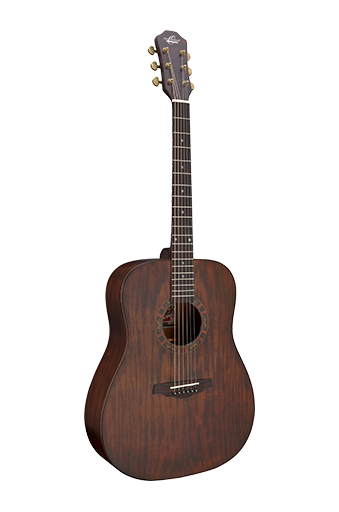
What’s the Trend in Guitar Manufacturing in China?
Industry Background and Market Demand
China has emerged as a dominant force in global guitar manufacturing, producing over 70% of the world’s acoustic and Electric guitars. The industry’s growth is driven by rising domestic demand, cost-efficient labor, and advanced manufacturing capabilities. While Western brands traditionally dominated high-end markets, Chinese manufacturers are increasingly focusing on quality improvements, catering to both budget-conscious buyers and professional musicians.
The global market shift toward mid-range and entry-level guitars has further accelerated China’s role as a production hub. Export volumes to North America and Europe remain strong, while domestic sales are rising due to a growing music education sector and a burgeoning middle class.
Key Technologies and Manufacturing Innovations
CNC Machining and Automation
Precision CNC (Computer Numerical Control) machining has revolutionized guitar manufacturing in China. Automated routing ensures consistent neck profiles, fretboard slots, and body contours, reducing human error. High-end factories now integrate robotic sanding and finishing systems, improving efficiency while maintaining tight tolerances.
Advanced Materials and Sustainability
Traditionally reliant on imported tonewoods like spruce and mahogany, Chinese manufacturers are increasingly adopting sustainable alternatives. Bamboo, carbon fiber, and engineered woods (e.g., HPL—High-Pressure Laminate) are gaining traction due to their stability and eco-friendliness. Some factories have also introduced UV-cured finishes, which reduce VOC emissions compared to nitrocellulose lacquers.
Product Structure and Performance Factors
- Top Wood Selection: Solid spruce or cedar tops are preferred for professional models, while laminated woods dominate entry-level instruments.
- Bracing Patterns: Scalloped X-bracing remains standard, but some manufacturers experiment with hybrid designs for enhanced projection.
- Neck Joints: Dovetail and bolt-on constructions are common, with high-end models favoring hand-fitted dovetails for sustain.
Electric Guitars
- Body Materials: Alder and basswood are widely used for balanced tonal characteristics.
- Pickup Systems: Factories increasingly partner with international brands (e.g., Seymour Duncan) to improve sound quality.
- Hardware: Stainless steel frets and locking tuners are becoming standard in mid-tier models.
Quality Determinants
1. Wood Drying Process: Proper kiln drying (6–12 months) minimizes warping and ensures stability.
2. Fretwork Precision: Leveled and polished frets are critical for playability.
3. Finish Durability: Polyester and polyurethane coatings dominate, though some premium lines use thin nitro finishes.
Supplier Selection and Supply Chain
International buyers prioritize suppliers with:
- ISO 9001 Certification: Ensures consistent quality control.
- Vertical Integration: Factories with in-house CNC, finishing, and assembly lines reduce defects.
- Compliance with CITES: Sustainable sourcing of restricted tonewoods (e.g., rosewood).
Industry Challenges
1. Rising Labor Costs: Wages in coastal provinces have increased, pushing some production inland.
2. Tariffs and Trade Barriers: U.S. and EU import duties impact pricing strategies.
3. Brand Perception: Overcoming the stigma of "cheap Chinese guitars" requires investment in R&D and artist endorsements.
Case Study: Eastman Guitars
Eastman, a Beijing-based manufacturer, successfully transitioned from OEM production to a globally recognized brand. By employing master luthiers and using aged tonewoods, Eastman competes with established American and Japanese brands in the $1,000–$3,000 segment.
Current Trends and Future Outlook
1. Customization: Direct-to-consumer models with personalized specs (e.g., scale length, neck profiles) are growing.
2. Smart Guitars: Integration with apps for tuning, lessons, and effects is gaining interest.
3. Neo-Vintage Designs: Reissues of 1960s–1980s models with modern playability features.
FAQ
Q: Are Chinese-made guitars suitable for professional use?
A: Yes, high-tier manufacturers now produce instruments comparable to U.S. or Japanese brands, particularly in the $800+ range.
Q: How do Chinese factories ensure consistency in mass production?
A: Automated CNC processes, rigorous QC checkpoints, and standardized grading of materials maintain uniformity.
Q: What’s the lead time for bulk orders?
A: Typically 60–90 days, depending on customization levels and wood seasoning requirements.
Conclusion
China’s guitar manufacturing sector is evolving beyond cost-driven production, with innovation in materials, automation, and design. As quality benchmarks rise, Chinese brands are poised to capture a larger share of the mid-to-high-end global market. Buyers should focus on suppliers with strong technical capabilities and sustainable practices to ensure long-term competitiveness.


Copyright © 2003-2025 Longsheng Musical Instrument Co., Ltd. Powered by:Lucky Cloud Network Technology All rights reserved.
SitemapThis website uses cookies to ensure you get the best experience on our website.



 Phone
Phone
Comment
(0)