

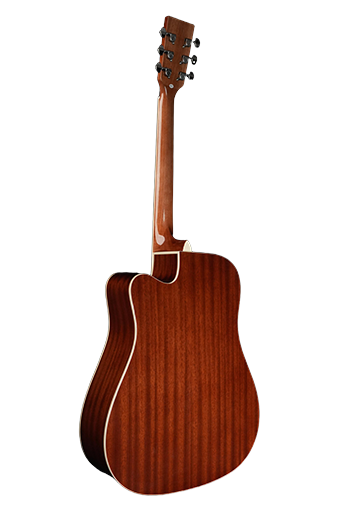
Acoustic guitar Series: Which Models Have the Best Intonation?
Industry Background and Market Demand
The acoustic guitar market has seen steady growth, driven by both professional musicians and hobbyists seeking high-quality instruments. One critical factor influencing purchasing decisions is intonation—the guitar’s ability to play in tune across all frets. Poor intonation leads to dissonance, making even well-built guitars sound off-key.
Manufacturers invest heavily in precision engineering to optimize intonation, as players increasingly demand instruments that perform flawlessly in studio recordings and live performances. Brands like Martin, Taylor, and Gibson dominate the high-end market, while mid-range models from Yamaha and Seagull offer competitive alternatives. The demand for superior intonation has also spurred innovations in bracing patterns, fret placement, and saddle compensation.
Core Concepts: Understanding Intonation in Acoustic Guitars
Intonation refers to the accuracy of pitch across the fretboard. A guitar with perfect intonation produces the correct note at every fret. However, due to the physics of string tension and scale length, slight deviations are inevitable. The goal is to minimize these discrepancies through design and setup adjustments.
Key factors affecting intonation include:
- Scale Length: The distance between the nut and saddle. Longer scales (e.g., 25.5") offer better tension and clarity but may require precise intonation adjustments.
- Saddle Compensation: The saddle is often angled or notched to fine-tune string length, compensating for sharp or flat notes.
- Fret Positioning: CNC-machined frets ensure consistent spacing, reducing intonation errors.
Design and Construction: Materials and Manufacturing Techniques
1. Body and Bracing
Top woods like Sitka spruce and cedar influence resonance, but bracing patterns (e.g., X-bracing, scalloped bracing) also affect intonation by distributing vibrations evenly. Overbuilt bracing can dampen sustain, while underbuilt designs may cause tuning instability.
2. Neck and Fretboard
A stable neck—typically made of mahogany or maple—prevents warping, which can alter intonation. The fretboard material (ebony, rosewood) impacts playability but has minimal direct effect on intonation.
3. Nut and Saddle
Bone or synthetic materials (TUSQ) provide consistent string contact, reducing tuning issues. A poorly cut nut can cause intonation problems in the first few frets.
4. String Gauge and Action
Heavier strings require more compensation due to increased tension. Lower action (string height) improves playability but may cause buzzing if not properly adjusted.
Key Factors Influencing Intonation Quality
1. Precision in Manufacturing: CNC routing ensures consistent fret placement and saddle alignment.
2. Setup and Adjustments: A professional setup—including truss rod adjustment, nut filing, and saddle shaping—can drastically improve intonation.
3. Environmental Stability: Humidity and temperature changes cause wood expansion, affecting neck relief and intonation.
Supplier and Material Selection Standards
High-end manufacturers source tonewoods from sustainable suppliers (e.g., FSC-certified providers). The choice of saddle material (bone vs. synthetic) and fret wire (nickel silver vs. stainless steel) impacts durability and tuning stability.
Common Challenges and Industry Pain Points
- Inconsistent Factory Setups: Many mid-range guitars require aftermarket adjustments for optimal intonation.
- Warping and Neck Relief Issues: Poor storage conditions lead to neck bowing, requiring frequent truss rod adjustments.
- String Break Angle: A steep break angle at the saddle improves sustain but may require additional compensation.
Application Scenarios and Case Studies
- Studio Recording: Artists prefer guitars with near-perfect intonation to minimize post-production pitch correction.
- Live Performance: Musicians using alternate tunings (e.g., drop D) rely on compensated saddles for accurate intonation.
- Fingerstyle Playing: Intonation discrepancies are more noticeable in intricate fingerpicking, making precision critical.
Current Trends and Future Developments
1. Automated Intonation Systems: Some manufacturers are experimenting with adjustable saddles for real-time intonation correction.
2. Hybrid Acoustic-Electric Models: Built-in preamps with digital tuning assistance are becoming more common.
3. Sustainable Materials: Alternatives to traditional tonewoods (e.g., carbon fiber, HPL) offer stability in varying climates.
FAQ: Common Questions About Guitar Intonation
Q: Can intonation be fixed on an acoustic guitar?
A: Yes, through saddle adjustments, nut filing, or fret leveling. However, severe intonation issues may require professional luthier work.
Q: Do expensive guitars always have better intonation?
A: Not necessarily. While high-end models often feature superior craftsmanship, proper setup is equally important.
Q: How often should intonation be checked?
A: Seasonally, or whenever changing string gauges or tuning styles.
Conclusion
Achieving optimal intonation in acoustic guitars requires a balance of precise engineering, quality materials, and expert setup. As market demands evolve, manufacturers continue refining designs to meet the expectations of discerning players. Whether for studio recording or live performance, selecting a model with excellent intonation ensures a more enjoyable and professional playing experience.


Copyright © 2003-2025 Longsheng Musical Instrument Co., Ltd. Powered by:Lucky Cloud Network Technology All rights reserved.
SitemapThis website uses cookies to ensure you get the best experience on our website.



 Phone
Phone
Comment
(0)