

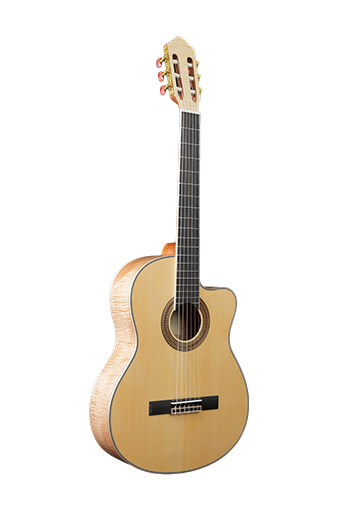
Acoustic guitar Series: What Are the Best Vintage Models?
Industry Background and Market Demand
The vintage acoustic guitar market has experienced steady growth over the past decade, driven by collectors, professional musicians, and boutique dealers. Unlike mass-produced modern instruments, vintage guitars offer unique tonal characteristics, historical value, and craftsmanship that cannot be replicated. According to industry reports, pre-1970s models from brands like Martin, Gibson, and Guild consistently appreciate in value, with rare examples fetching six-figure sums at auction.
Demand is particularly strong among recording artists and session players who seek instruments with a "broken-in" sound—a result of decades of aging and wood maturation. Additionally, the rise of boutique luthiers and restoration specialists has reinforced the market’s legitimacy, ensuring that well-maintained vintage guitars remain functional investments.
Defining Vintage: Key Considerations
The term "vintage" in the guitar industry typically refers to instruments built before 1970, though some extend the range to the early 1980s for select models. Key factors determining a guitar’s vintage status include:
- Originality: Unmodified hardware, finish, and structural integrity.
- Provenance: Documentation of previous ownership or historical significance.
- Tonal Quality: Matured wood resonance and playability.
Top Vintage Acoustic Guitar Models
1. Martin D-28 (Pre-1970)
The Martin D-28 remains a benchmark for dreadnought acoustics. Pre-1970 models feature Brazilian rosewood back and sides, known for their rich overtones and sustain. Adirondack spruce tops contribute to a powerful, articulate sound favored in bluegrass and country music.
2. Gibson J-45 (1940s–1960s)
Gibson’s slope-shoulder J-45 is revered for its balanced midrange and warm bass response. Early models with mahogany backs and spruce tops exhibit a "dry" tone ideal for fingerstyle and folk genres.
3. Guild F-50 (1960s)
Guild’s jumbo-bodied F-50, with its maple back and sides, delivers a bright, piano-like projection. Its construction quality rivals Martin and Gibson, making it a hidden gem among collectors.
4. Gibson Advanced Jumbo (1930s–1940s)
A rare find, the Advanced Jumbo combines a large body with forward-shifted bracing, producing a robust low end and clear highs. Its scarcity has driven prices upward in recent years.
Construction and Material Factors
Vintage acoustic guitars derive their tonal superiority from several key elements:
- Wood Selection: Brazilian rosewood, Adirondack spruce, and Honduran mahogany were commonly used before environmental regulations restricted their availability.
- Bracing Patterns: Pre-war Martins and Gibsons employed scalloped bracing, which enhances responsiveness compared to later straight-braced models.
- Hide Glue vs. Modern Adhesives: Traditional hide glue allows for easier repairs and is believed to improve resonance.
Challenges in the Vintage Market
Despite their appeal, vintage guitars present several industry challenges:
- Counterfeiting: High-value models are frequently replicated, requiring expert authentication.
- Structural Issues: Cracks, neck resets, and bridge reglues are common in older instruments, necessitating skilled luthiers.
- Climate Sensitivity: Wood shrinkage and expansion due to humidity changes can affect playability.
Supply Chain and Sourcing Considerations
Reliable sourcing of vintage guitars depends on:
- Dealer Reputation: Established dealers provide authenticity certificates and detailed condition reports.
- Auction Houses: Christie’s and Reverb.com offer verified listings, though prices can be volatile.
- Independent Luthiers: Custom builders often source vintage parts for restoration projects.
Current Trends and Future Outlook
The market is shifting toward:
- Sustainable Alternatives: Luthiers are experimenting with reclaimed wood to replicate vintage tone.
- Digital Verification: Blockchain-based provenance tracking is gaining traction to combat fraud.
- Hybrid Models: Some manufacturers blend vintage design principles with modern construction techniques.
FAQ
Q: How does aging affect tonewood?
A: Over decades, wood loses moisture and crystallizes, enhancing sustain and harmonic complexity.
Q: Are all pre-1970 guitars valuable?
A: No—brand, model, condition, and originality determine value. Lesser-known brands may not appreciate similarly.
Q: Should vintage guitars be played regularly?
A: Yes, consistent playing helps maintain structural integrity, though humidity control is critical.
The vintage acoustic guitar market thrives on a blend of artistry, history, and engineering. For professionals seeking unparalleled tone and craftsmanship, these instruments remain irreplaceable.


Copyright © 2003-2025 Longsheng Musical Instrument Co., Ltd. Powered by:Lucky Cloud Network Technology All rights reserved.
SitemapThis website uses cookies to ensure you get the best experience on our website.



 Phone
Phone
Comment
(0)