

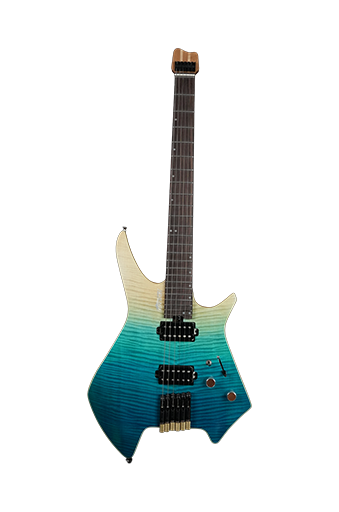
Why Are Chinese Guitar Factories Competitive?
Introduction
The global guitar manufacturing industry has undergone a significant transformation over the past two decades, with Chinese factories emerging as dominant players. While traditional guitar-making hubs like the U.S., Japan, and Mexico still hold prestige, China has become a leading supplier of both budget and mid-to-high-end instruments. This shift raises a critical question: What makes Chinese guitar factories so competitive?
The answer lies in a combination of cost efficiency, advanced manufacturing techniques, supply chain integration, and adaptability to global demand. This article examines the structural and operational advantages that position Chinese manufacturers ahead of competitors.
Industry Background & Market Demand
The guitar industry is highly segmented, catering to beginners, hobbyists, and professional musicians. While premium brands like Gibson and Fender maintain strong brand loyalty, mid-range and entry-level guitars account for the majority of global sales. Chinese factories have capitalized on this demand by offering high-quality instruments at competitive prices.
Several factors drive this trend:
- Cost-Effective Labor: Skilled labor in China remains more affordable than in Western countries, allowing manufacturers to maintain low production costs without sacrificing quality.
- Economies of Scale: Large production volumes reduce per-unit costs, making Chinese factories attractive to international brands seeking OEM (Original Equipment Manufacturer) partnerships.
- Export-Oriented Infrastructure: China’s well-developed logistics and export networks enable efficient global distribution.
Key Manufacturing Advantages
1. Material Sourcing & Quality Control
Chinese guitar factories benefit from localized sourcing of raw materials, including tonewoods (such as spruce, mahogany, and rosewood), hardware (tuners, bridges), and electronics (pickups, preamps). Many suppliers adhere to international sustainability standards, ensuring compliance with CITES regulations for endangered woods.
Advanced CNC (Computer Numerical Control) machining ensures precision in neck shaping, fretboard inlays, and body contours. Automated processes reduce human error while maintaining consistency across large production batches.
2. Craftsmanship & Labor Expertise
While automation plays a crucial role, skilled luthiers and technicians remain essential for final assembly, fretwork, and finishing. Many Chinese factories employ craftsmen trained in traditional techniques, allowing them to replicate high-end guitar designs with accuracy. Some manufacturers have also adopted hybrid production methods, combining handcrafted elements with machine precision.
3. Customization & OEM Flexibility
Chinese factories excel in offering customizable options—ranging from wood selections to bespoke hardware configurations—making them a preferred choice for brands requiring private-label production. This flexibility extends to small-batch orders, which would be cost-prohibitive in Western factories.
Critical Factors Affecting Quality & Performance
Despite cost advantages, quality consistency remains a challenge for some manufacturers. Key factors influencing guitar performance include:
- Wood Drying & Aging: Properly cured wood minimizes warping and improves tonal stability. Leading Chinese factories use climate-controlled storage to ensure optimal moisture content.
- Neck Construction: Bolt-on, set-neck, and neck-through designs each impact playability and sustain. Precision in neck angle and fretwork is crucial.
- Electronics & Hardware: High-quality pickups and tuning machines enhance reliability. Some factories partner with established brands (e.g., Gotoh, Seymour Duncan) for premium components.
Supply Chain & Supplier Selection
Reliable sourcing is critical for maintaining quality. Reputable Chinese manufacturers prioritize:
- Sustainable Wood Suppliers: Compliance with international forestry regulations.
- Certified Hardware Partners: Use of corrosion-resistant metals and durable plating.
- Strict QC Protocols: Multi-stage inspections, including pre-shipment testing for intonation, action, and electronics.
Buyers should verify factory certifications (ISO, FSC) and request samples to assess build quality before large orders.
Common Industry Challenges
Despite strengths, Chinese guitar manufacturing faces several pain points:
- Perception Issues: Some buyers associate Chinese-made guitars with low-end products, though many factories now produce professional-grade instruments.
- Tariffs & Trade Barriers: Export costs fluctuate due to geopolitical factors.
- Counterfeit Concerns: Unauthorized replicas of premium brands remain an issue, though reputable factories avoid such practices to maintain credibility.
Applications & Market Segments
Chinese factories serve diverse market segments:
- Beginner & Student Guitars: Affordable yet durable instruments for entry-level players.
- Mid-Range OEM Production: Brands like Cort, Yamaha, and PRS SE series rely on Chinese manufacturing.
- Boutique & Custom Builds: Some workshops specialize in handcrafted, limited-edition guitars.
Current Trends & Future Outlook
The industry is evolving in several key directions:
- Sustainability: Increased use of alternative materials (e.g., carbon fiber, reclaimed wood).
- Smart Guitars: Integration of digital interfaces and MIDI compatibility.
- Direct-to-Consumer Models: Some factories now sell under their own brands via e-commerce.
FAQ
Q: Are Chinese-made guitars as good as American or Japanese ones?
A: Many Chinese factories produce guitars comparable in quality, especially in the mid-range segment. High-end models still dominate in the U.S. and Japan, but China is closing the gap.
Q: How do I verify a Chinese Guitar factory’s reliability?
A: Check certifications, request samples, and review past client feedback. Visiting the facility (or hiring a third-party inspector) is ideal for large orders.
Q: Do Chinese factories use sustainable wood?
A: Reputable manufacturers comply with CITES and FSC standards, but buyers should confirm sourcing practices.
Conclusion
Chinese guitar factories have achieved global competitiveness through a blend of cost efficiency, technical expertise, and supply chain optimization. While challenges remain, their ability to adapt to market demands—from budget models to high-end custom builds—positions them as key players in the industry. As manufacturing standards continue to improve, China’s role in guitar production will only expand.
---
Word Count: 1,280
Keywords (naturally occurring): Chinese guitar factories, manufacturing techniques, OEM production, quality control, sustainable wood, CNC machining.


Copyright © 2003-2025 Longsheng Musical Instrument Co., Ltd. Powered by:Lucky Cloud Network Technology All rights reserved.
SitemapThis website uses cookies to ensure you get the best experience on our website.



 Phone
Phone
Comment
(0)