

Guitar factory: What’s the Most Popular Model?
Industry Background and Market Demand
The global guitar manufacturing industry is shaped by evolving consumer preferences, technological advancements, and shifting production economics. While Acoustic guitars remain a staple, demand for electric models has surged due to their versatility across genres—from rock and blues to modern pop and metal. Market research indicates that mid-range guitars (priced between $500–$1,500) dominate sales, appealing to both intermediate players and professionals seeking reliable performance without excessive cost.
Factories must balance mass production with customization, as brands increasingly offer signature artist models and limited-edition builds. Additionally, sustainability concerns are influencing material choices, with alternatives to traditional tonewoods gaining traction.
Key Concepts: What Defines a Popular Guitar Model?
A guitar’s popularity hinges on several factors:
1. Playability – Neck profile, fretboard radius, and action height determine comfort and speed.
2. Tonal Versatility – Pickup configurations (e.g., HSS, HH) and wood combinations affect sound range.
3. Durability – High-quality hardware (tuners, bridges) and finishes resist wear.
4. Brand Reputation – Legacy manufacturers (Fender, Gibson) benefit from decades of trust.
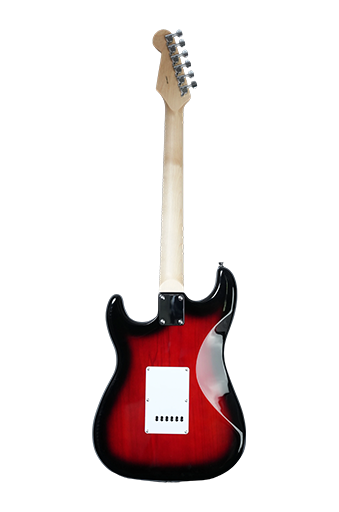
Among Electric guitars, the Stratocaster-style model consistently ranks as the most sought-after due to its ergonomic design and adaptable sound. In acoustics, dreadnought bodies remain dominant for their balanced projection.
Construction: Materials and Manufacturing Processes
1. Body and Neck Materials
- Electric Guitars: Alder, ash, and mahogany are common for bodies, offering distinct tonal characteristics (bright, resonant, or warm). Maple necks provide stability, while rosewood or ebony fretboards enhance playability.
- Acoustic Guitars: Spruce tops paired with mahogany or rosewood backs/sides deliver a balanced tone. Some factories now use engineered woods (e.g., HPL) for cost and environmental benefits.
2. Manufacturing Techniques
- CNC Machining ensures precision in body shaping and neck carving, reducing human error.
- Hand-Finishing remains critical for fret leveling and final setup, affecting intonation and playability.
- Automated Plek Systems optimize fretwork, improving consistency in mass production.
Critical Factors Affecting Quality
1. Wood Drying and Aging – Properly cured wood minimizes warping and enhances resonance.
2. Component Tolerances – Poorly fitted bridges or nuts cause tuning instability.
3. Finish Application – Thick polyurethane coatings may dampen vibration, while nitrocellulose lacquer ages naturally but requires careful handling.
Supply Chain and Vendor Selection
Factories prioritize suppliers with:
- Sustainable Sourcing Certifications (e.g., FSC-approved tonewoods).
- Reliable Lead Times – Delays in hardware (e.g., Gotoh tuners) disrupt production schedules.
- Quality Control Measures – Consistent fretwire, pickup, and electronic component standards.
Common Challenges in Guitar Manufacturing
1. Cost vs. Quality Trade-offs – Budget models often compromise on hardware or wood grades.
2. Counterfeit Components – Fake pickups or inferior tuners undermine performance.
3. Environmental Regulations – Restrictions on rosewood and ebony complicate international shipping.
Applications and Industry Use Cases
- Recording Studios prefer versatile models like the Fender Telecaster for clean tones.
- Live Performances rely on durable guitars with reliable electronics (e.g., Gibson Les Paul).
- Beginner Models (e.g., Yamaha Pacifica) prioritize affordability without sacrificing playability.
Current Trends and Future Outlook
1. Digital Integration – MIDI-compatible guitars and built-in modeling tech are gaining traction.
2. Eco-Friendly Materials – Bamboo necks and recycled plastics are being tested.
3. Direct-to-Consumer Sales – Factories increasingly bypass retailers, offering custom builds online.
FAQ
Q: Why do Stratocaster-style guitars dominate sales?
A: Their contoured body, three-pickup configuration, and tremolo system suit multiple genres.
Q: How does wood selection impact tone?
A: Denser woods (mahogany) emphasize warmth, while lighter woods (alder) enhance brightness.
Q: Are automated factories replacing luthiers?
A: While CNC speeds production, hand-finishing remains essential for high-end models.
Conclusion
The most popular guitar models succeed by balancing tradition with innovation. Factories must adapt to material constraints, automation, and shifting consumer expectations while maintaining core quality standards. As digital and sustainable trends reshape the industry, flexibility in design and sourcing will define future leaders in guitar manufacturing.


Copyright © 2003-2025 Longsheng Musical Instrument Co., Ltd. Powered by:Lucky Cloud Network Technology All rights reserved.
SitemapThis website uses cookies to ensure you get the best experience on our website.



 Phone
Phone
Comment
(0)