

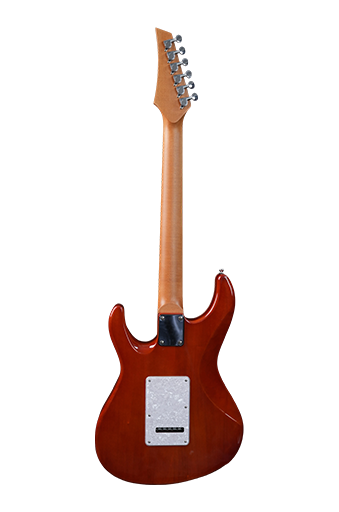
Which Guitar factory in China Offers Custom Designs?
Industry Background and Market Demand
The global guitar market has seen steady growth, driven by rising demand for customized instruments among professional musicians, boutique brands, and collectors. China has emerged as a key manufacturing hub, offering competitive pricing, advanced manufacturing capabilities, and flexibility in custom guitar production. Unlike mass-produced models, custom-designed guitars require specialized factories with expertise in precision woodworking, tonal optimization, and aesthetic detailing.
European and North American buyers increasingly seek Chinese suppliers that balance cost efficiency with high craftsmanship. The ability to tailor body shapes, tonewoods, electronics, and finishes makes custom guitar factories in China a preferred choice for OEM and ODM partnerships.
Core Concepts in Custom Guitar Manufacturing
Custom guitar production differs significantly from standardized manufacturing. Key aspects include:
- Design Adaptation: Factories must interpret CAD files or hand-drawn sketches into playable instruments, accounting for ergonomics and acoustic properties.
- Material Selection: Unlike fixed production lines, custom shops source specific tonewoods (e.g., mahogany, maple, or exotic species) per client requirements.
- Handcrafted vs. CNC Processes: High-end factories blend CNC precision for consistency with luthier-led hand-finishing for nuanced detailing.
Product Structure and Manufacturing Process
1. Materials
- Tonewoods: Spruce, cedar, and mahogany are common for Acoustic guitars; alder and ash dominate electric models. Sustainable sourcing is increasingly prioritized.
- Hardware: Custom shops often integrate premium pickups (e.g., Seymour Duncan, EMG) and tuners (Gotoh, Grover) upon request.
2. Construction Techniques
- Neck Joints: Set-neck, bolt-on, and neck-through designs impact sustain and repairability.
- Finishing: Nitrocellulose lacquer (vintage appeal) vs. polyurethane (durability) affects both aesthetics and resonance.
3. Quality Control
- Frequency Testing: Factories use automated systems to ensure proper intonation and harmonic balance.
- Playability Checks: Each unit undergoes manual inspection for fret leveling, action height, and neck relief.
Factors Influencing Quality and Performance
1. Luthier Expertise: Skilled artisans ensure proper bracing (acoustic) or body routing (electric) for optimal sound.
2. Wood Aging: Seasoned tonewoods (air-dried for 3+ years) reduce internal stresses, enhancing stability.
3. Environmental Controls: Humidity-regulated workshops prevent warping during production.
Supplier Selection Criteria
When evaluating Chinese guitar factories for custom designs, buyers should assess:
- Portfolio Diversity: Factories with experience in diverse genres (e.g., jazz archtops, metal-oriented solid bodies) demonstrate adaptability.
- Minimum Order Quantity (MOQ): Some shops accept MOQs as low as 10–20 units for bespoke orders.
- Compliance: Certifications like FSC (wood sustainability) and ISO 9001 indicate structured processes.
Common Challenges in Custom Production
1. Communication Barriers: Misinterpretations of design specs can lead to costly revisions.
2. Lead Time Variability: Exotic material procurement may extend timelines by 30–50%.
3. Consistency Issues: Small-batch production risks minor deviations between units.
Case Study: Boutique Electric guitar Collaboration
A U.S. brand partnered with a Guangdong-based factory to produce a limited-edition offset electric model. The factory executed:
- Custom body contouring based on 3D scans of a vintage prototype.
- Multi-scale fretboard (25.5"–27") with stainless steel frets.
- Matte nitro finishes in non-standard colors.
The project’s success hinged on the factory’s ability to prototype rapidly (3 iterations in 8 weeks) while maintaining tonal clarity.
Trends and Future Outlook
1. Automation Integration: AI-assisted CNC setups now allow faster customization without sacrificing craftsmanship.
2. Eco-Conscious Materials: Bamboo and reclaimed woods gain traction as sustainable alternatives.
3. Direct-to-Consumer Models: Some factories now offer co-branded white-label services for indie luthiers.
FAQ
Q: How long does a typical custom guitar order take in China?
A: Lead times range from 8–16 weeks, depending on design complexity and material availability.
Q: Can factories replicate proprietary designs legally?
A: Reputable suppliers require signed NDA agreements and avoid infringing on patented designs.
Q: What’s the price range for custom orders?
A: Entry-level custom electric guitars start at $300–$500/unit (100+ MOQ), while high-end acoustics exceed $1,200.
China’s guitar manufacturing sector continues to evolve, blending traditional craftsmanship with modern engineering to meet global demand for personalized instruments. Buyers prioritizing technical competency over sheer cost savings will find optimal partners capable of delivering studio-grade custom guitars.


Copyright © 2003-2025 Longsheng Musical Instrument Co., Ltd. Powered by:Lucky Cloud Network Technology All rights reserved.
SitemapThis website uses cookies to ensure you get the best experience on our website.



 Phone
Phone
Comment
(0)