

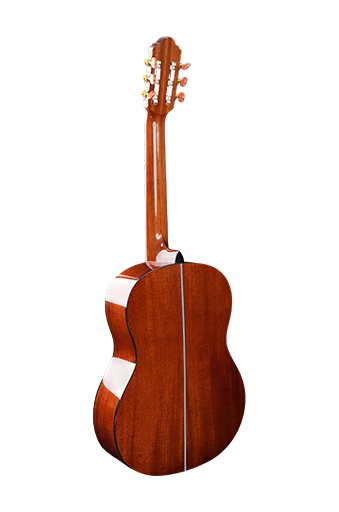
Guitar OEM factory – How to Ensure Your Designs Stay Confidential?
Industry Background and Market Demand
The global guitar manufacturing industry relies heavily on Original Equipment Manufacturer (OEM) partnerships, where brands outsource production to specialized factories. With increasing competition, protecting proprietary designs has become a critical concern for guitar companies. A single leak can lead to counterfeit products, lost market share, and damaged brand reputation.
Guitar OEM factories must balance transparency in production with stringent confidentiality measures. Clients—ranging from boutique luthiers to major brands—expect secure handling of their intellectual property (IP). The demand for confidentiality is particularly high in custom guitar manufacturing, where unique body shapes, electronics, and finishes define a brand’s identity.
Key Concepts: Confidentiality in Guitar OEM Manufacturing
1. Non-Disclosure Agreements (NDAs)
A legally binding NDA is the first line of defense. Reputable OEM factories require NDAs before discussing design specifics. These agreements should cover:
- Prohibiting third-party sharing
- Defining ownership of prototypes and tooling
- Penalties for breaches
2. Secure Digital Prototyping
Many guitar designs now start as CAD files. Factories must use encrypted file-sharing platforms and restrict access to authorized personnel only. Some facilities employ digital rights management (DRM) to prevent unauthorized copying or modification of design files.
3. Controlled Physical Prototyping
Handling physical prototypes requires strict protocols:
- Limited access to prototyping workshops
- Serialized tracking of each prototype
- Secure disposal of rejected samples
Manufacturing Process and Confidentiality Risks
Material Sourcing
Specialized tonewoods (e.g., mahogany, spruce) and proprietary composites are often part of a brand’s signature sound. Factories must ensure suppliers do not reveal material specifications to competitors.
Tooling and Molds
Custom guitar shapes require CNC-machined molds. Factories should:
- Store molds in restricted areas
- Assign unique identifiers to prevent cross-use
- Destroy molds upon contract completion if required
Electronics and Hardware
Unique pickup configurations or preamp designs are vulnerable during assembly. Segregated production lines for high-security projects minimize exposure.
Factors Affecting Confidentiality
1. Factory Location and Legal Environment
- Jurisdictions with strong IP laws (e.g., U.S., EU, Japan) offer better legal recourse.
- Some brands avoid regions with weak enforcement, despite lower costs.
2. Employee Training
- Staff should undergo regular IP security training.
- Role-based access limits exposure to sensitive data.
3. Supply Chain Transparency
- Subcontractors must also comply with NDAs.
- Audits ensure compliance at every stage.
Supplier Selection Criteria
When choosing a guitar OEM factory, brands should evaluate:
- Track Record: Request case studies of past high-security projects.
- Security Certifications: ISO 27001 (information security) is a strong indicator.
- Client References: Speak to existing clients about their confidentiality experiences.
Common Industry Pain Points
1. Reverse Engineering
Competitors may dissect finished guitars to replicate designs. Factories can mitigate this by:
- Using proprietary fasteners or adhesives
- Implementing internal serialization for traceability
2. Overreliance on a Single Factory
Diversifying production reduces risk but increases logistical complexity.
3. Delayed Legal Action
Enforcing NDAs across borders can be slow. Some brands use escrow payments tied to compliance.
Case Study: Protecting a Signature Model
A well-known boutique brand partnered with a Taiwanese OEM factory for a limited-edition model. The factory implemented:
- Biometric access to the production line
- Watermarked CAD files
- Disposable tooling
No leaks occurred, and the launch was successful. Competitors only discovered key design features after the product release.
Current Trends and Future Outlook
1. Blockchain for IP Tracking
Some factories are testing blockchain to log design handoffs and modifications, creating an immutable audit trail.
2. On-Demand Localized Production
Small-batch production in client markets reduces cross-border IP risks.
3. AI-Assisted Design Watermarking
Emerging tools embed undetectable markers in CAD files to trace leaks.
FAQ
Q: How long should an NDA with a guitar OEM factory last?
A: Typically 3–5 years, covering production and post-contract periods.
Q: Can factories reuse tooling for other clients?
A: Only if the original contract permits it. Most high-end factories avoid reuse to prevent conflicts.
Q: What if a leak occurs despite precautions?
A: Legal action is possible, but prevention is more effective. Choose factories with robust security protocols.
Conclusion
Ensuring design confidentiality in guitar OEM manufacturing requires a multi-layered approach—legal, digital, and physical. Brands must vet factories thoroughly and insist on transparent security measures. As the industry evolves, technologies like blockchain and AI will play a larger role in safeguarding intellectual property.
By prioritizing confidentiality, guitar companies can maintain their competitive edge while leveraging global manufacturing expertise.


Copyright © 2003-2025 Longsheng Musical Instrument Co., Ltd. Powered by:Lucky Cloud Network Technology All rights reserved.
SitemapThis website uses cookies to ensure you get the best experience on our website.



 Phone
Phone
Comment
(0)