

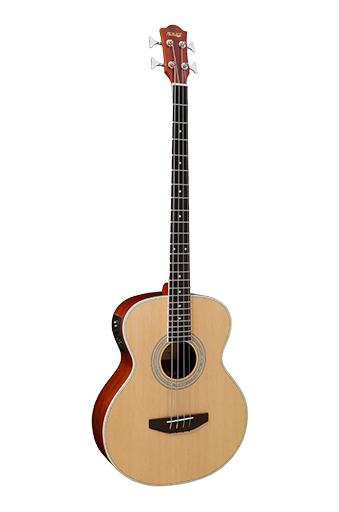
Where Can You Find Authentic Longsheng Musical Instrument Reviews?
Industry Background and Market Demand
The global market for professional musical instruments has grown steadily, driven by increasing demand from educational institutions, orchestras, and independent musicians. Among regional manufacturers, Longsheng has emerged as a notable producer of brass, woodwind, and string instruments, particularly in the mid-range price segment. However, the lack of transparent, unbiased reviews complicates purchasing decisions for distributors, retailers, and institutional buyers.
Unlike mass-produced beginner instruments, Longsheng’s offerings target intermediate to advanced players, requiring detailed evaluations of tonal quality, durability, and craftsmanship. Authentic reviews are critical for B2B buyers who need reliable data to assess value-for-money and long-term performance.
Core Evaluation Criteria for Longsheng Instruments
1. Tonal Accuracy and Projection
Professional-grade instruments must maintain consistent intonation across registers. Longsheng’s brass instruments, for example, use hand-hammered bell construction to enhance resonance, while their clarinets feature precision-machined tone holes for improved airflow. Independent reviews should analyze these aspects through spectral analysis or comparative testing.
2. Material and Manufacturing Techniques
- Brass Instruments: Longsheng employs yellow brass (70% copper, 30% zinc) for balanced brightness, while rose brass (85% copper, 15% zinc) is reserved for mellower models.
- Woodwinds: Grenadilla wood is kiln-dried for stability, and synthetic alternatives are offered for humid climates.
- Assembly: Piston valves are lapped to 0.05mm tolerance, reducing air leakage.
3. Durability and Maintenance Factors
Key stress points—such as solder joints on saxophone necks or violin seams—should be scrutinized in long-term reviews. Corrosion-resistant coatings on brass and modular repair designs (e.g., replaceable pad cups) affect lifecycle costs.
Key Influencers of Quality
1. Supplier Chain Control
Longsheng sources raw materials from certified foundries and timber suppliers, but inconsistencies in alloy composition or wood grain density can occur. Reviews should verify batch testing documentation.
2. Craftsmanship Variance
Hand-finished components (e.g., violin scrolls) may show minor deviations. High-resolution imaging in reviews helps identify acceptable tolerances.
Challenges in Sourcing Reliable Reviews
1. Limited Third-Party Testing
Few independent labs evaluate mid-tier brands like Longsheng. Most available "reviews" are promotional content from distributors.
2. Subjectivity in Sound Assessment
Without standardized recording conditions (e.g., anechoic chambers), tonal descriptions remain anecdotal.
Verified Review Platforms
1. Trade Publications
Journals like The Instrumentalist occasionally publish comparative analyses of Asian manufacturers, though Longsheng is rarely featured.
2. Educational Institutions
University music departments often document instrument performance over 5+ years. Some share findings via academic conferences.
3. Professional Forums
Threads on TrumpetMaster or SaxontheWeb may contain technician-level insights, but data is fragmented.
Future Trends in Instrument Evaluation
- AI-Assisted Acoustic Analysis: Emerging tools like sound spectrum comparators could quantify tonal characteristics objectively.
- Blockchain-Based Supply Tracking: Transparent material sourcing logs may soon be integrated into review systems.
FAQ
Q: How do Longsheng’s student models compare to Yamaha’s entry-level lines?
A: Longsheng’s student trumpets use thinner brass (0.45mm vs. Yamaha’s 0.5mm), resulting in lighter weight but reduced projection. Valve alignment tends to be less consistent.
Q: Are there ASTM/ISO standards for musical instrument reviews?
A: Only for safety (e.g., lead content). Tone and playability lack universal metrics, though ASTM WK65022 (under development) aims to standardize brass instrument testing.
Q: Why do some Longsheng oboes crack within two years?
A: Rapid drying during manufacturing can cause internal stresses. Reviews should check for controlled seasoning periods (minimum 18 months).
For B2B buyers, the most credible Longsheng reviews combine technical measurements, stress-testing data, and longitudinal performance tracking—ideally from a trusted third party. Until such resources become widely available, cross-referencing distributor claims with hands-on trials remains essential.


Copyright © 2003-2025 Longsheng Musical Instrument Co., Ltd. Powered by:Lucky Cloud Network Technology All rights reserved.
SitemapThis website uses cookies to ensure you get the best experience on our website.



 Phone
Phone
Comment
(0)