

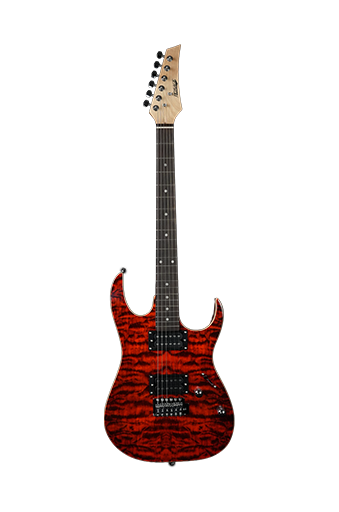
Acoustic guitar Series: How to Play Barre Chords Easily?
Industry Background and Market Demand
The acoustic guitar remains one of the most popular instruments worldwide, with a growing market driven by both beginners and professional musicians. A key challenge for players at all levels is mastering barre chords—a fundamental technique that unlocks greater versatility in playing.
Barre chords allow guitarists to play any chord in any position on the neck, making them essential for advanced playing styles. However, many learners struggle with finger strength, hand positioning, and string muting. As a result, there is a strong demand for structured guidance on how to play barre chords efficiently, particularly in acoustic guitars where string tension is higher than in electric models.
Core Concepts: Understanding Barre Chords
A barre chord involves using one finger (usually the index) to press down multiple strings across a single fret while the remaining fingers form the rest of the chord shape. The two most common types are:
- Major Barre Chords – Based on the E and A major open chord shapes, moved up the neck.
- Minor Barre Chords – Derived from Em and Am open shapes, similarly transposed.
The primary challenge lies in applying even pressure across all strings to ensure clean sound production. Unlike open chords, where fingers only press individual notes, barre chords require greater finger strength and precision.
Guitar Construction and Its Impact on Playability
Several factors in acoustic guitar design influence how easily barre chords can be played:
1. String Action and Neck Relief
- Low action (string height above the fretboard) reduces finger strain but may cause buzzing if too low.
- Neck relief (slight curvature) must be properly adjusted to balance playability and string vibration.
2. Nut and Saddle Material
- Bone or synthetic materials (e.g., TUSQ) reduce friction, improving tuning stability and sustain.
3. Scale Length and String Gauge
- Shorter scales (e.g., 24.75" on Gibson-style guitars) require less tension than longer scales (e.g., 25.5" on Martin-style guitars).
- Lighter string gauges (e.g., .011–.052) are easier to press but may sacrifice volume and tone.
4. Fingerboard Radius
- A flatter radius (e.g., 16") makes barre chords easier by reducing the need for extreme finger curvature.
Key Factors Affecting Barre Chord Performance
1. Finger Strength and Endurance – Regular practice builds the necessary muscle memory.
2. Thumb Positioning – Placing the thumb behind the neck (not over the top) improves leverage.
3. Wrist Angle – A slight forward tilt helps distribute pressure evenly.
4. Guitar Setup – Proper intonation and truss rod adjustment prevent unnecessary strain.
Supplier and Manufacturing Considerations
For manufacturers and luthiers, producing guitars optimized for barre chords involves:
- Precision fretwork to ensure level frets and smooth edges.
- High-quality tonewoods (e.g., mahogany for balanced stiffness) that enhance sustain without excessive weight.
- Consistent QC checks on neck alignment and string action.
Common Challenges and Solutions
1. Muted or Buzzing Strings
- Cause: Insufficient finger pressure or uneven fretting.
- Solution: Adjust thumb placement and practice partial barres before full chords.
2. Hand Fatigue
- Cause: Excessive tension or poor technique.
- Solution: Short, focused practice sessions with gradual increases in duration.
3. Inconsistent Sound
- Cause: Uneven pressure on the barring finger.
- Solution: Roll the index finger slightly to use its firmer side.
Application in Professional Settings
Barre chords are indispensable in genres like rock, blues, and jazz, where chord voicings often require transposition. Professional guitarists frequently use them for:
- Quick key changes during live performances.
- Fingerstyle arrangements requiring extended harmonies.
- Songwriting versatility by accessing non-open chord voicings.
Current Trends and Future Developments
1. Ergonomic Guitar Designs – Brands are experimenting with asymmetrical neck profiles and lighter materials to reduce player fatigue.
2. Hybrid String Materials – Coated strings with reduced tension (e.g., Elixir Nanoweb) help beginners transition to barre chords.
3. AI-Assisted Learning Tools – Apps with real-time feedback on finger placement are emerging, though traditional practice remains irreplaceable.
FAQ Section
Q: How long does it take to master barre chords?
A: Typically 2–6 months with consistent practice, depending on hand strength and technique.
Q: Are barre chords easier on Electric guitars?
A: Yes, due to lower string tension and narrower necks, but acoustic practice builds greater endurance.
Q: Should I use lighter strings for barre chords?
A: Lighter strings reduce initial strain, but medium gauges (e.g., .012–.053) improve tone and finger strength over time.
Conclusion
Mastering barre chords on an acoustic guitar requires a combination of proper technique, instrument setup, and persistent practice. By understanding the mechanics behind finger placement, guitar construction, and ergonomic adjustments, players can overcome common hurdles and expand their musical capabilities. As guitar design and learning tools evolve, accessibility to advanced techniques will continue to improve, benefiting both hobbyists and professionals.


Copyright © 2003-2025 Longsheng Musical Instrument Co., Ltd. Powered by:Lucky Cloud Network Technology All rights reserved.
SitemapThis website uses cookies to ensure you get the best experience on our website.



 Phone
Phone
Comment
(0)