

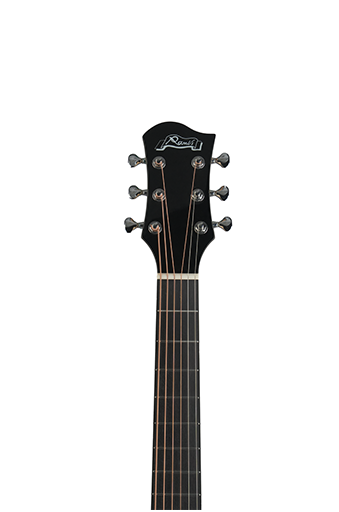
Why Do Startups Prefer Guitar Factories in China?
The global guitar manufacturing industry has undergone significant shifts over the past few decades, with China emerging as a dominant player in producing affordable, high-quality instruments. Startups, in particular, are increasingly turning to Chinese guitar factories for their production needs. This preference is driven by several factors, including cost efficiency, manufacturing expertise, scalability, and access to advanced technology. Below, we explore the key reasons why startups favor Chinese guitar factories and how this trend is shaping the industry.
1. Cost Efficiency and Competitive Pricing
One of the most compelling reasons startups choose Chinese guitar factories is cost efficiency. Labor costs in China, while rising, remain significantly lower than in Western countries. This allows manufacturers to produce guitars at a fraction of the price without compromising quality. For startups operating on tight budgets, this cost advantage is crucial in bringing their products to market at competitive price points.
Additionally, China’s well-established supply chain for raw materials—such as tonewoods, hardware, and electronics—further reduces production costs. Many factories source materials locally, minimizing import expenses and logistical delays. Startups benefit from these economies of scale, enabling them to offer high-quality instruments at prices that appeal to both beginners and intermediate players.
2. Skilled Craftsmanship and Manufacturing Expertise
China has built a strong reputation for guitar manufacturing over the years, with many factories employing highly skilled luthiers and technicians. These craftsmen often have decades of experience, having worked with both domestic and international brands. Startups can leverage this expertise to produce instruments that meet global quality standards.
Chinese factories are also adept at producing a wide range of guitar types, from acoustic and Classical guitars to electric models. Their ability to replicate high-end designs while maintaining consistency in build quality makes them an attractive option for startups looking to establish credibility in the market.
3. Scalability and Production Flexibility
Startups often face unpredictable demand, requiring manufacturers that can scale production up or down quickly. Chinese guitar factories excel in this regard, offering flexible production runs—from small batches to large-scale orders. This scalability is particularly beneficial for crowdfunded or direct-to-consumer brands that may need to adjust production based on pre-orders or market response.
Moreover, many Chinese factories are willing to accommodate custom specifications, allowing startups to differentiate their products with unique designs, finishes, or hardware options. This flexibility is invaluable for brands seeking to carve out a niche in a competitive market.
4. Advanced Manufacturing Technology
China’s guitar factories have invested heavily in modern manufacturing technologies, including CNC (Computer Numerical Control) machining, laser cutting, and automated finishing processes. These technologies ensure precision and consistency in guitar production, reducing the likelihood of defects and improving overall quality.
For startups, access to advanced manufacturing capabilities means they can produce guitars with tight tolerances and intricate designs that would be cost-prohibitive in other regions. This technological edge allows them to compete with established brands without requiring massive upfront investments in equipment.
5. Streamlined Logistics and Global Distribution
China’s well-developed logistics infrastructure makes it easier for startups to ship guitars worldwide. Major manufacturing hubs are strategically located near ports, facilitating efficient export processes. Many factories also offer comprehensive shipping and fulfillment services, handling everything from packaging to customs clearance.
This logistical advantage is particularly important for startups that sell directly to consumers online. By partnering with Chinese manufacturers, they can ensure timely deliveries and reduce overhead costs associated with warehousing and distribution.
6. Established Quality Control Systems
While early perceptions of Chinese-made guitars were mixed, the industry has made significant strides in quality control. Many factories now implement rigorous inspection processes at multiple production stages, ensuring that only instruments meeting strict standards reach customers.
Startups benefit from these quality assurance measures, as they help build trust with consumers. Some factories even offer third-party quality certifications, further enhancing the credibility of the brands they supply.
7. Access to Innovation and Customization
Chinese guitar factories are increasingly open to innovation, collaborating with startups to develop new materials, construction techniques, and design features. This collaborative approach allows startups to experiment with unique selling points, such as sustainable tonewoods, hybrid acoustic-electric models, or ergonomic designs.
Customization options—such as bespoke inlays, custom paint jobs, or proprietary hardware—are also more accessible in China. Startups can work closely with factories to create signature models that stand out in a crowded market.
8. Faster Time-to-Market
Speed is critical for startups looking to capitalize on trends or seasonal demand. Chinese factories, with their efficient production workflows and large workforce, can often deliver finished products faster than competitors in other regions. This rapid turnaround time enables startups to launch products quickly and respond to market shifts without long lead times.
Challenges and Considerations
While Chinese guitar factories offer numerous advantages, startups should also be aware of potential challenges:
- Intellectual Property Protection: Copying and counterfeiting remain concerns in some regions. Startups should work with reputable factories and consider legal safeguards for their designs.
- Communication Barriers: Language differences and time zones can sometimes complicate collaboration. Clear contracts and regular communication are essential.
- Supply Chain Risks: Global disruptions (e.g., pandemics, trade tensions) can impact production. Diversifying suppliers or maintaining buffer inventory may mitigate risks.
Conclusion
For startups in the guitar industry, Chinese factories provide an unbeatable combination of affordability, quality, and flexibility. By leveraging China’s manufacturing strengths, startups can bring well-crafted instruments to market quickly and cost-effectively. As the industry continues to evolve, this partnership between innovative brands and skilled Chinese manufacturers is likely to drive further growth and creativity in the global guitar market.
Ultimately, the preference for Chinese guitar factories reflects broader trends in manufacturing—where efficiency, scalability, and technological advancement converge to empower emerging brands. For startups looking to make their mark, China’s guitar production ecosystem offers a proven pathway to success.


Copyright © 2003-2025 Longsheng Musical Instrument Co., Ltd. Powered by:Lucky Cloud Network Technology All rights reserved.
SitemapThis website uses cookies to ensure you get the best experience on our website.



 Phone
Phone
Comment
(0)