

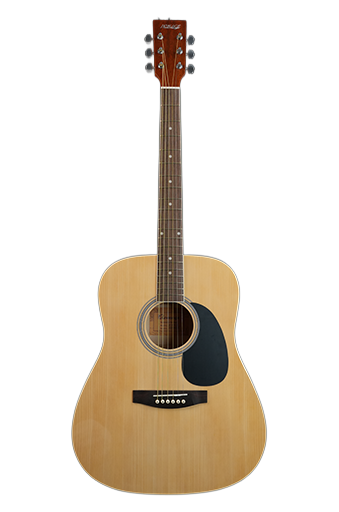
The Risks of Working with a Guitar OEM factory
The guitar manufacturing industry relies heavily on Original Equipment Manufacturer (OEM) factories, particularly in regions like China, Indonesia, and Mexico, where labor and production costs are lower. While working with an OEM factory can offer significant advantages—such as cost savings, scalability, and access to specialized craftsmanship—there are also substantial risks involved. Brands that outsource guitar production must carefully evaluate these risks to avoid financial losses, reputational damage, and legal complications.
This article explores the key risks associated with working with a guitar OEM factory, including quality control issues, intellectual property (IP) theft, supply chain disruptions, communication barriers, ethical concerns, and financial instability. Understanding these risks can help brands make informed decisions when selecting and managing OEM partnerships.
1. Quality Control Challenges
One of the most significant risks when working with a guitar OEM factory is inconsistent quality. While some factories produce high-quality instruments, others may cut corners to reduce costs, leading to defects such as:
- Poor Wood Selection: Cheap or improperly dried wood can cause warping, cracking, or tonal inconsistencies.
- Faulty Electronics: Substandard pickups, wiring, or hardware can lead to malfunctions.
- Finishing Defects: Uneven paint, poor fretwork, or weak binding can affect playability and aesthetics.
Mitigation Strategies:
- Conduct thorough factory audits before signing contracts.
- Implement strict quality control (QC) protocols, including third-party inspections.
- Request sample batches before full-scale production.
2. Intellectual Property Theft
Guitar designs, proprietary hardware, and branding are valuable assets that can be stolen or replicated by unscrupulous OEM factories. Some factories may:
- Produce Counterfeit Copies: Selling unauthorized versions of your guitars under different brand names.
- Leak Designs to Competitors: Sharing your specifications with rival brands.
- Use Your Brand Name Illegally: Manufacturing and selling guitars under your label without permission.
Mitigation Strategies:
- Sign strict non-disclosure agreements (NDAs) and enforce legal penalties for violations.
- Register patents and trademarks in the factory’s country.
- Work with trusted factories that have a proven reputation for integrity.
3. Supply Chain Disruptions
Guitar manufacturing depends on a complex supply chain involving wood, hardware, and electronics. OEM factories may face:
- Material Shortages: Limited availability of high-quality tonewoods (e.g., mahogany, rosewood).
- Logistical Delays: Shipping bottlenecks, customs issues, or political instability.
- Price Volatility: Fluctuations in raw material costs affecting production budgets.
Mitigation Strategies:
- Diversify suppliers to reduce dependency on a single factory.
- Maintain buffer inventory for critical components.
- Negotiate long-term contracts with fixed pricing where possible.
4. Communication and Cultural Barriers
Miscommunication due to language differences, time zones, or cultural expectations can lead to:
- Misunderstood Specifications: Incorrect interpretations of design documents.
- Delayed Responses: Slow decision-making due to time zone differences.
- Conflicting Business Practices: Different negotiation styles or contract interpretations.
Mitigation Strategies:
- Hire bilingual project managers or agents to facilitate communication.
- Use detailed technical drawings and video calls to clarify expectations.
- Visit the factory in person to build stronger relationships.
5. Ethical and Compliance Risks
Many guitar OEM factories operate in countries with lax labor and environmental regulations, leading to:
- Unfair Labor Practices: Low wages, excessive overtime, or unsafe working conditions.
- Environmental Harm: Illegal logging or toxic waste disposal.
- Legal Liabilities: Non-compliance with international trade laws (e.g., CITES for endangered woods).
Mitigation Strategies:
- Conduct ethical audits (e.g., SMETA, FSC certification for sustainable wood sourcing).
- Partner with factories that comply with international labor standards (e.g., SA8000).
- Avoid suppliers linked to illegal logging or unethical practices.
6. Financial Instability of the OEM Factory
Some factories may face financial difficulties, leading to:
- Sudden Shutdowns: Abrupt closures due to bankruptcy or economic downturns.
- Demands for Upfront Payments: Requesting large deposits before production begins.
- Inconsistent Output: Reduced production capacity due to cash flow issues.
Mitigation Strategies:
- Research the factory’s financial stability before committing.
- Use escrow services or milestone-based payments to reduce risk.
- Avoid relying on a single factory; have backup suppliers.
7. Hidden Costs and Pricing Issues
While OEM factories often advertise low prices, hidden costs can emerge, such as:
- Tooling Fees: High upfront costs for custom molds or CNC setups.
- Minimum Order Quantities (MOQs): Being forced to order more units than needed.
- Shipping and Tariffs: Unexpected import duties or transportation expenses.
Mitigation Strategies:
- Clarify all costs in the contract before production begins.
- Negotiate flexible MOQs or phased production runs.
- Work with logistics experts to anticipate shipping expenses.
8. Lack of Customization Flexibility
Some OEM factories specialize in mass production and may resist:
- Small-Batch Orders: Refusing to produce limited-edition models.
- Unique Specifications: Hesitating to implement non-standard designs.
- Prototype Revisions: Charging extra for design changes.
Mitigation Strategies:
- Choose factories with experience in custom guitar manufacturing.
- Clearly define customization expectations in the contract.
- Be willing to pay premium fees for specialized work.
9. Brand Reputation Damage
If an OEM factory delivers subpar guitars, the brand’s reputation suffers due to:
- Customer Complaints: Negative reviews about poor craftsmanship.
- Returns and Warranty Claims: Increased costs from defective products.
- Loss of Trust: Long-term damage to brand credibility.
Mitigation Strategies:
- Maintain strict QC oversight at every production stage.
- Offer excellent customer service to address issues promptly.
- Be transparent with customers about manufacturing processes.
10. Legal and Contractual Risks
Poorly drafted contracts can lead to:
- Breach of Agreement: Factories failing to meet deadlines or quality standards.
- Dispute Resolution Challenges: Difficulty enforcing contracts in foreign jurisdictions.
- Unclear Liability Terms: Uncertainty over who bears responsibility for defects.
Mitigation Strategies:
- Work with legal experts familiar with international manufacturing contracts.
- Include penalty clauses for missed deadlines or defective products.
- Specify dispute resolution methods (e.g., arbitration in a neutral country).
Conclusion
Working with a guitar OEM factory offers cost and scalability benefits but comes with significant risks. Brands must conduct thorough due diligence, enforce strict quality controls, protect intellectual property, and maintain ethical standards to mitigate these challenges. By carefully selecting reliable partners and implementing robust contractual safeguards, companies can minimize risks while benefiting from OEM manufacturing.
Ultimately, the key to a successful OEM partnership lies in proactive management, clear communication, and a commitment to quality at every stage of production. Brands that navigate these risks effectively can build long-term, profitable relationships with their manufacturing partners while delivering exceptional guitars to their customers.


Copyright © 2003-2025 Longsheng Musical Instrument Co., Ltd. Powered by:Lucky Cloud Network Technology All rights reserved.
SitemapThis website uses cookies to ensure you get the best experience on our website.



 Phone
Phone
Comment
(0)